The New Wave of Spoofing Scams That Are Fooling Even the Most Tech-Savvy People
Let's get one thing out of the way: thinking you're too smart to fall for a phone scam is exactly what scammers are counting on.
The people getting hit hardest by today's most sophisticated spoofing operations aren't the elderly or the technically naive. They're IT professionals. They're people who work in cybersecurity. They're folks who've read the articles, know the warning signs, and still got burned — because the technology behind these scams has evolved faster than most of us realize.
We spent time digging into what's actually happening on the front lines of phone fraud in 2024, and the picture is more unsettling than most people know.
Neighbor Spoofing Got an Upgrade
You've probably heard of neighbor spoofing — where a scammer masks their real number and displays one that shares your area code and prefix, making it look like someone local is calling. It worked well for a while, and then people caught on. Spam filters got better at flagging it. So scammers adapted.
The newest version of this trick goes a layer deeper. Rather than just matching your area code, scammers are now cross-referencing data breaches and public records to call you from numbers that match businesses or people you've likely interacted with. Your dentist's office. Your kid's school district. A number you called once six months ago that's now sitting in a leaked database.
"The goal is to manufacture just enough familiarity that you hesitate," explained one cybersecurity researcher who tracks robocall networks. "That half-second of hesitation is all they need. Once you answer, the script takes over."
Modern call-blocking tools are playing catch-up. The challenge is that these numbers are often legitimate numbers that have been temporarily spoofed — not permanently flagged spam lines — which makes them harder to blacklist in advance.
Voice Cloning: The Part That Should Actually Scare You
If neighbor spoofing is unsettling, AI-powered voice cloning is a different category of alarming.
The technology to clone a voice convincingly now requires as little as a few seconds of audio — the kind of audio that's freely available if someone has ever posted a video to social media, appeared in a local news clip, or left a voicemail. Services that do this exist openly online. The barrier to entry is shockingly low.
The most common deployment right now is what's being called the "grandparent scam" 2.0 — where a scammer clones a family member's voice, calls a relative, and claims to be in trouble and in need of immediate money. But it's expanding fast.
Several documented cases in 2023 and 2024 involved cloned voices of company executives being used to authorize fraudulent wire transfers over the phone. In one widely reported case, a finance employee in the UK transferred $25 million after a call that appeared to involve multiple executives — all of them AI-generated voices on a spoofed conference call.
That's not a future threat. That's happening now.
"The voice cloning arms race is real," said one fraud prevention specialist who consults with financial institutions. "The models are getting better faster than detection methods are. Right now, the most reliable defense is behavioral — not technological."
Fake Caller ID Is Getting Frighteningly Convincing
Beyond voice, the visual layer of spoofing has gotten more sophisticated too. Some scam operations are now spoofing not just phone numbers, but the display names that appear alongside them — mimicking the exact formatting your carrier uses to display verified numbers.
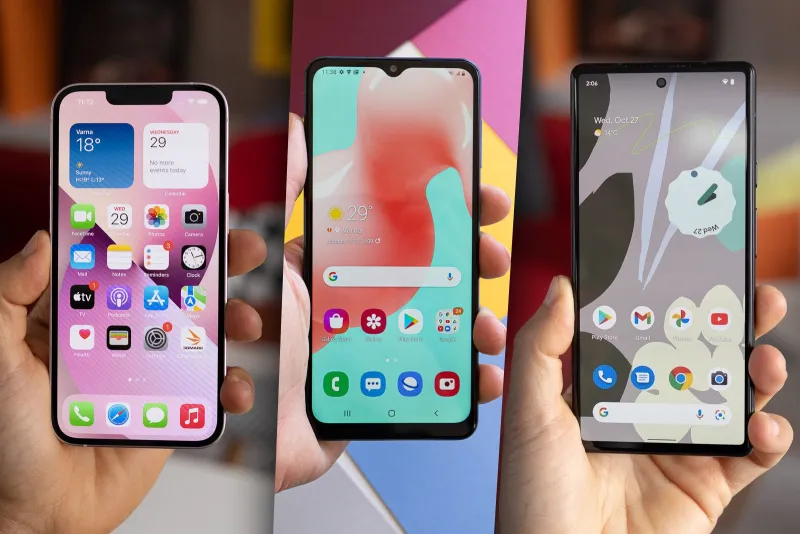
Apple and Google have both rolled out features that attempt to verify caller identity, but these systems rely on carrier-level authentication protocols like STIR/SHAKEN — a framework the FCC mandated in 2021. The problem? Implementation has been inconsistent across smaller carriers, and international calls can bypass the verification entirely.
What you see on your screen as a labeled, seemingly verified call might still be a spoofed number that slipped through a gap in the authentication chain.
What Actually Works Right Now
Given how fast the threat landscape is moving, blanket advice like "don't answer unknown numbers" isn't enough anymore. Here's what security researchers and fraud prevention professionals are actually recommending:
Establish a verbal safe word with family members. Sounds low-tech, but it's one of the most effective defenses against voice cloning scams. If someone calls claiming to be a family member in distress, ask for the word. A cloned voice won't know it.
Never trust a caller asking you to verify your identity. Legitimate institutions — banks, the IRS, Social Security — don't call you and then ask you to prove who you are. If you get that call, hang up and dial the institution directly using a number from their official website.
Update your call-blocking app regularly. Threat databases need constant refreshing. An app that hasn't been updated in months is working with stale data. CallBuster's detection engine updates its spam intelligence continuously, which matters more now than it ever has.
Be suspicious of urgency. Voice cloning and spoofing scams almost always involve manufactured urgency — a family member in jail, an IRS deadline, a bank account being closed. Urgency is a manipulation tactic. Slow down.
Check STIR/SHAKEN status on your device. Some carriers now display whether a call has been verified through the STIR/SHAKEN protocol. Look for that indicator in your call log settings. Unverified calls from numbers claiming to be major institutions should raise immediate flags.
The Honest Truth About Where Blocking Technology Stands
We'll be straight with you: no call-blocking tool — ours included — catches everything. The spoofing techniques being used today are sophisticated enough that some of them will get through, at least temporarily, before the threat data catches up.
What good blocking technology does is reduce your exposure dramatically, give you better information when calls come in, and flag patterns that human instinct might miss. It's a layer of defense, not a force field.
The rest of the equation is you — staying informed, staying skeptical, and not letting a convincing caller ID override your better judgment.
Scammers are investing real money and real engineering talent into fooling you. The best counter-move is knowing exactly how they're trying to do it. Now you do.
Stay one step ahead. That's what we're here for.