The Robocall Paradox: How the Banks Trying to Protect You Are Teaching Scammers to Sound Real
Imagine a scammer sitting down to study. Not cracking books or watching tutorials — just answering their own phone, listening to the automated calls from Chase, from Verizon, from Best Buy, from the Social Security Administration. Taking notes on the phrasing. The pauses. The exact way a robot voice says "Your account has been flagged for unusual activity."
This is actually happening. And the companies sending those legitimate verification calls have no idea they're running a free training program.
How Verification Calls Became the Gold Standard — For Everyone
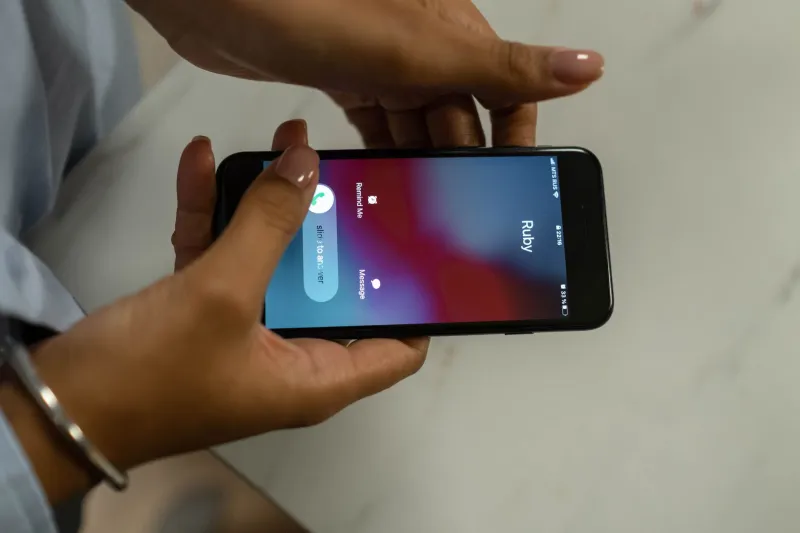
The logic behind automated verification calls is sound. When your bank detects a login from an unfamiliar device, it wants to confirm it's really you. A text code works, but not everyone has SMS set up, and some users are more comfortable with a voice call. So the bank dials you, reads you a six-digit code, and you punch it in. Transaction confirmed, account protected.
Financial institutions, retailers, healthcare providers, and government agencies all rely on this system. The volume is enormous — hundreds of millions of automated verification calls go out across the US every year. They're consistent, they're scripted, and they follow a recognizable pattern.
That consistency is the problem.
The Script Is Public Knowledge
Scammers are meticulous students of legitimate call infrastructure. Security researchers who've analyzed fraud call recordings note that the most convincing impersonation calls don't sound like old-school con artists reading from a shaky script. They sound like the real thing because they're built from the real thing.
The phrasing is borrowed directly. "This is an automated message from [Bank Name]. We've detected suspicious activity on your account. To verify your identity, please press one." That sentence structure, that cadence — it comes from thousands of hours of exposure to legitimate bank calls, both from personal experience and from recordings shared in fraud forums.
Voice synthesis technology has accelerated this problem dramatically. Where a scammer once had to hire a voice actor or record themselves sounding authoritative, they can now feed a few sample clips of a real bank's automated system into a text-to-speech model and generate a nearly indistinguishable replica. The legitimate call is the training data.
The Verification Code Trap
Perhaps the most damaging byproduct of this dynamic is the one-time passcode scam — and it's worth walking through exactly how it works, because it's devastatingly effective.
A scammer calls a target. They claim to be from the target's bank. They say there's suspicious activity. To confirm the account holder's identity, the bank is going to send a verification code and they'll need the target to read it back. The target hangs on the line. Meanwhile, the scammer — using the target's stolen credentials — is actually triggering a real login attempt on the real bank's website. The bank sends a real OTP to the target's phone. The target, already primed by the "bank representative" on the line, reads the code back. The scammer enters it. Account accessed.
The target never got a fake call. The code was real. The bank's own security system was weaponized against the account it was designed to protect.
This scam works precisely because consumers have been conditioned by years of legitimate verification calls. The experience feels familiar because it is familiar. Banks trained people to expect this interaction. Scammers just inserted themselves into it.
What Security Experts Say Needs to Change
Security professionals who work in fraud prevention have been raising alarms about this loop for years, with limited uptake from the institutions most responsible for closing it.
The core recommendation that keeps coming up: companies should stop initiating outbound verification calls. If a bank needs to verify your identity, it should instruct you to call the number on the back of your card — not call you. The distinction matters enormously. An outbound call from "your bank" can be spoofed. A call you initiate to a verified number cannot.
Some institutions have moved in this direction. Several major banks now include messaging in their communications explicitly stating: "We will never call you and ask for your passcode." But the problem is that the same banks also send legitimate automated calls for appointment reminders, fraud alerts, and account notices — which muddies the message completely. If the bank sometimes calls, how is a customer supposed to know when not to trust a call?
Another proposed fix: branded caller ID with verification. Under STIR/SHAKEN — the call authentication framework the FCC has been pushing carriers to implement — calls can be cryptographically signed so your phone can confirm the caller is who they say they are. Some banks are experimenting with displaying their verified logo on outbound calls. This is promising, but adoption is inconsistent and spoofing can still occur when the full chain of verification isn't intact.
The Consumer Side of This Equation
Until institutions clean up their own practices, the burden falls — unfairly — on regular people to navigate this mess.
A few rules that actually help:
Never read a code back to someone who called you. Full stop. If you didn't initiate the contact, don't hand over authentication data. Hang up, call the institution directly using the number on their official website or the back of your card.
Treat urgency as a red flag. Legitimate automated systems don't pressure you. If the voice on the line is creating a sense of emergency — "your account will be suspended in 10 minutes" — that's a scam signal.
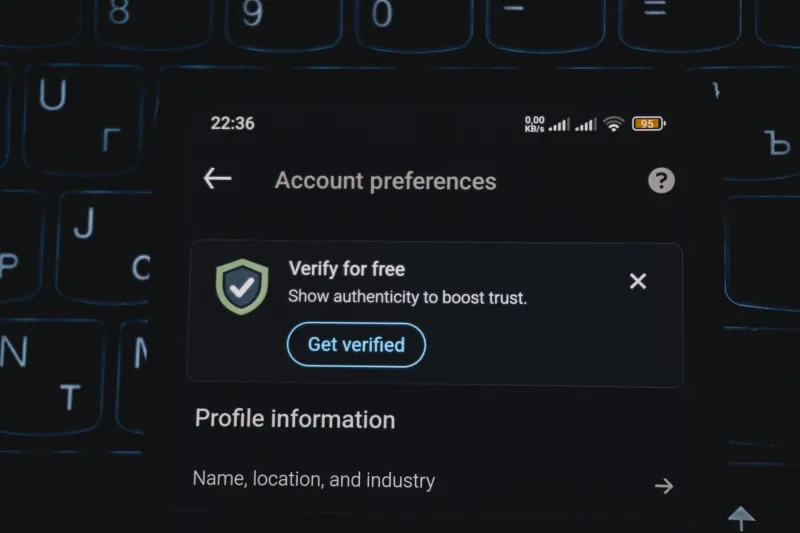
Use app-based authentication where available. Authenticator apps like Google Authenticator or Authy generate codes locally and aren't transmitted via phone calls, which sidesteps this entire attack vector.
The Feedback Loop Has to Break Somewhere
This isn't a problem consumers can solve on their own, and honestly, it's not a problem that call-blocking apps can fully address either — because the fraudulent calls are designed to be indistinguishable from legitimate ones.
The fix starts with the companies sending the legitimate calls in the first place. Standardize what verification calls do and don't ask for. Move away from outbound calls as a verification channel. Implement branded caller ID at scale. And — maybe most importantly — stop training your customers to accept automated calls asking for sensitive information.
Until that happens, scammers will keep studying. And every time your bank calls to verify your identity, they're handing out another free lesson.